
Three key challenges retailers need to address
10th October 2018
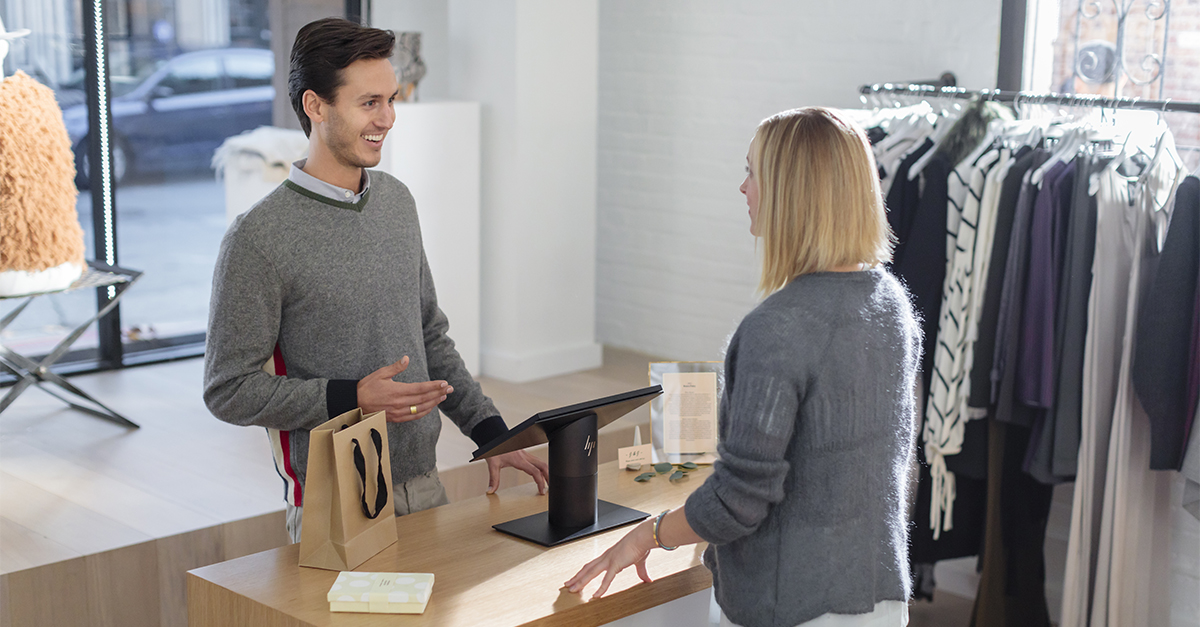
Due to the emergence of ecommerce, retail stores have had to adapt to survive. Those with brick and mortar stores have had to pivot themselves in the market to stay relevant and competitive. Because online shopping is so easily accessible, for physical stores to stay relevant they’ve had to combine the best aspects of the digital world with an unforgettable shopping experience – an experiential shopping environment. One way stores are creating this experiential environment is through sleek, adaptable and powerful point of sale (POS) equipment. These systems add to that experiential environment in a multitude of ways [1], but where many retailers come unstuck is through the ongoing management of these new devices coupled with other more traditional retail specific issues. There’s three key challenges that retailers have to combat in this digital world, and without addressing them the ultimate result is a decline in the finished product – the experiential environment.
POS Maintenance
POS systems are the end point device vitally important to keeping brick and mortar stores running efficiently, and as such retailers need them up and running efficiently at all times. However with a retail POS system it requires constant management to remain fully functioning. More than 60% of retail IT departments have POS maintenance issues that require on-site visits due to software and hardware malfunctions[1]. Some retailers try to manage this in-house where the cost quickly becomes excessive. You need support staff for 24×7 availability where unavoidable instances involving sick leave, holiday leave and staff resigning result in POS systems being out of service long#_ftn1er than necessary. These problems are then magnified depending on the number of stores you may have, which ultimately results in a drop in revenue, and poor customer experiences.
Another issue is the networking of your POS systems. They’re often widely dispersed and aren’t integrated into a traditional LAN environment, making it difficult to monitor and manage. The management tools available are either not designed to handle that situation, or are too big and complex for a retailer to roll out and manage internally. Additionally, these management tools rarely recognise the specific needs of your retail software and specialist hardware.
Multi-Channel Shopping
With the emergence of ecommerce, retailers that want to compete need to be prevalent both digitally and physically, with the top stores intertwining the two concepts to create that experiential shopping environment. Your POS hardware needs the ability to create a seamless transaction, while also offering the capabilities to enhance the experience through digital signage and product research. In effect, your POS tools need to be simple enough that they can be used by the typical retail employee, yet powerful enough to support the use of customer data and information sourcing that increase sales through a combination of digital and physical means.
Inventory Management
It’s been reported in the California Management Review that inaccurate inventory records alone cost companies, on average, 10% of profits a year[2]. It’s imperative to know what to buy, and when to buy it. Furthermore, it helps to know which products are performing well and which ones are not. If this is not managed well, poor performance will stem from carrying too much stock or too many slow moving products. However, on the flip side of that it’s been reported in the California Management Review that retailers lose about 4% of potential sales due to the desired product not being in stock[3]. So it’s paramount that retailers implement the right stock management software to avoid these issues arising with any kind of regularity.
The question is then, how do you address these challenges? Through a combination of quality POS equipment and the right services of course. There are organisations out there that specialise in remedying these issues for retailers, leaving you free to focus on increasing revenue and decreasing costs.
Lexel
Lexel operates a specialist division within our business that provides a unique solution for retail chain clients. We can support your environment from the core to the edge, and everything in between. Through utilising our services, you can address all three of the aforementioned challenges.
At the crux of our retail vertical solution is our POS hardware and software support model. We’re the only IT Integrator with a long-term commitment to providing an outsourced POS service desk, including support for the hardware and POS software. Available 24/7 nationwide, our service desk mirrors your retail timeline, providing a single point of contact for all first line POS environment support, including POS hardware, mainstream POS software, as well as network and turnkey physical servicing.
We work with leading POS equipment vendors including HP [1], providing systems for you which elegantly provide the integration you need between the digital and brick and mortar world for multi-channel shopping. With the systems that we provide, you can implement self-service initiatives as well as digital signage display. With web access, staff have the ability to provide detailed information regarding items, as well as sell products which may be stocked online, but not in-store, and all through a simple yet powerful operating system that any retail employee can operate. Through our nationwide roll out service, the stress of procurement is also eliminated.
Partnering with leading companies and consultants across New Zealand, we can also assist retail chains with infrastructure for live stock-taking and warehouse stock management. These products and services are undertaken in conjunction with seamless stock management software available through POS systems that we provide. Further to this our 24/7 service desk can assist you with deployments including managing sparing buffer stock.
So what are you waiting for?
Contact Lexel today and address the issues around your POS maintenance, multi-channel presence and inventory management.